All Categories
Featured
Routinely check the lawn for actively growing weeds, in addition to newly germinated weed seedlings. Weed species tend to be found in certain habitats, so keeping an eye on for a particular weed should be based upon knowledge of its biology. For example, crabgrass is a spring annual that needs light to sprout.
Mid-summer would be an outstanding time to search for fully grown plants to identify seed sources for the following year. Likewise, late fall would be the very best time to search for seedlings of winter annuals such as henbit or yearly bluegrass. Annual grassy weeds such as crabgrass, goosegrass and foxtails are considered significant weeds due to the fact that they can effectively take on yards and can considerably reduce lawn density in a single season.
To be efficient, this herbicide must be used in early spring prior to weed seed germination. Dandelions are common in home lawns, especially where the lawn is thin or cut too short. One method to eliminate them is to tire their stored energy. To do this, cut as much of the dandelion roots as possible start in early spring, right away after they have actually leafed out.
Selecting Drought-Tolerant Seeds for Sustainable YardsThe root will send out up brand-new development till the plant lacks energy. As with the rest of natural yard management, utilizing sound cultural practices is essential to decreasing weed issues. A list of the most essential cultural practices follows: Trimming at 2.5 to 3 inches for the cool-season grasses will keep the yard dense and dissuade weed seed germination.
High mowing will preserve grass crowns and leaves for photosynthesis and remove weed flowers and seed heads. Frequent mowing will avoid or decrease seed production in some weed species. Fertilize more heavily in fall and keep fertility levels up in late spring and summertime utilizing sluggish release items. Regular, shallow irrigation discourages root growth and can motivate weed seed germination.
Selecting Drought-Tolerant Seeds for Sustainable YardsNatural Vs Chemical Nutrient Options
Refurbish chronically thin yards to regionally adjusted species and cultivars. Fall is the best time to do this for cool-season lawns. Do not seed when utilizing corn gluten meal.
Herbicidal soaps work by contact and will not affect underground plant parts. They can be quite efficient versus yearly weeds, however are not as reliable versus seasonal weeds with comprehensive root systems; plants will likely regrow from their root systems. Herbicidal soaps can be reliable against small yearly and biennial weeds such as common chickweed, spotted spurge and crabgrass.

Because herbicidal soaps are non-selective, they can adversely impact preferable plants as well as weeds. The proteins in the corn gluten act on germinating seeds to inhibit root development.
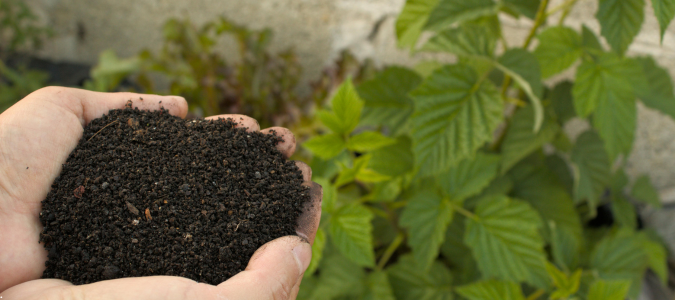
Corn gluten likewise contains 10 percent nitrogen by weight, and has a slow-release fertilizing result when used to home yards. If applied at the rate of 20 pounds per 1,000 square feet, this likewise successfully uses 2 pounds real nitrogen (N). Research shows that 50 to 60 percent weed control can be achieved in the very first year when corn gluten is applied at 20 pounds per 1,000 square feet; 80 to 85 percent in the second year; and over 90 percent control by the 3rd year.
The best time to use corn gluten is shortly after the last spring frost and once again in the fall. Water following the application if there is no rain, then permit the area to dry for 2 or three days. A dry period following application is required for corn gluten to efficiently kill emerging weed seedlings.
Why Sustainable Lawn Density Matters
A corn gluten application can hinder yard seed germination, so avoid using this product if reseeding or overseeding a location of the lawn. Factors to consider in the usage of corn gluten include: 1) cost; 2) your understanding of weeds and their life process, due to the fact that it needs to be applied in a four- to six-week duration prior to weed seed germination; and 3) possibly irregular results, since excessive moisture and microbial soil activity can reduce its effectiveness.
Chelated iron is an active ingredient (Fiesta) that offers control for broadleaf weeds in the lawn. Other items (such as A.D.I.O.S) have salt as an active component and provide broadleaf weed control. Other tools readily available for weed management that you may wish to explore include flame weeders, warm water weeders, flameless radiant heating units and soil solarization for big weedy locations.

Latest Posts
What You Can Expect To Pay When Engaging An Amsterdam Love Mentor
Maintaining Lawn Health With Proper Maintenance Habits
What Is the Best Grass for Sunny Lawns?