All Categories
Featured
Table of Contents
Green manures reduce weeds, aid to keep the soil fertility, and avoid erosion. Plants used as green manures have different attributes and can be chosen to deal with problems particular to a particular land. Some, such as phacelia, are especially proficient at attracting advantageous pests. Others, such as lucerne, have deep roots that enhance the soil structure and bring nutrients to the surface area.
And yet more, such as plants of the bean household, improve the soil with nitrogen. Most typically utilized green manures are phacelia, mustard, oats, rye, typical vetch, beans and peas, clover, lucerne and buckwheat. ***Find out more about green manures: Green Manures: Vegan and Organic Soil Improvers Mulch is plant material used to cover the soil in preparation for planting and, notably, while plants are growing.
As many experiments have actually revealed, rotting plant material is taken into the soil by earth worms, improving the structure and nutrient material of its lower layers. In nature the soil is always covered with growing plants in spring and summertime, or with dead plants in autumn and winter.
Essential Green Lawn Care Tips for Every Homeowner
Mulch reduces weeds by preventing their seeds from growing. It likewise preserves moisture in the soil and decreases the need for watering. Mulch does not allow the soil to get too hot in warm and warm weather. And this is particularly important now when severe weather condition, including dry spell and heat, is becoming more regular.
It is an efficient soil improver and an excellent method of recycling veggie waste from the kitchen area, weeds, pruned branches, trimmed lawn, autumn leaves and any other plant material. Garden compost motivates the growth of useful organisms in the soil, such as earth worms.
Some composting techniques enable them to make it through and after that spread around the garden. It is also not advised to compost plants with bugs and diseases. However most notably one must not utilize plants infected with herbicides and other chemicals. The effect of such an error can be devastating. Sadly, due to a prevalent use of herbicides, it became common for commercially made garden compost to be infected.
Even more factor to try making your own garden compost! With mulch decay takes place where plants grow, whereas with compost it occurs in a separate dedicated location. Making compost takes time it needs at least a year.
Gaining Long-Lasting Turf Density Via Natural Means
Preferably, garden compost likewise requires to be mixed regularly to become ready quicker. Mulch does not require any of this. Composting happens on flower or vegetable beds and the benefits are instantaneous. 2. Mulch, if it is raw plant material, such as weeds or cuttings, can look untidy. Well-crafted garden compost looks cool and might be much better for a little decorative garden.
Raw plant material can encourage some bugs. This is, nevertheless, not a problem for gardeners who have been gardening naturally for some time and have a natural balance of predators and prey on their land.
4. Even if raw plant product is not perfect for a damp start of the growing season, it may be the ideal choice later on in the summer when hot and dry weather sets in. It prevents the soil from overheating, unlike dark-coloured products, such as bark and compost. 5. If conditions permit, mulch made from raw plant material is better for plants than compost.
Improving Soil Structure With Nutrient CyclingA much bigger part, unnoticeable to us, is co2 that they get from the atmosphere. In a process called photosynthesis plants use light energy to transform carbon dioxide and water into glucose. Glucose is then become other compounds that plants require to grow and live. A crucial source of carbon dioxide is plant decay.
DIY Turf Renovation Steps for Rapid Improvement
When we use uncomposted plant product as mulch, we offer plants with carbon dioxide. And it is released exactly where it is needed where plants grow. Comfrey Liquid fertilizes are quick to make and faster acting than other plant-based soil improvers. They are entirely organic and don't cost anything. They can be made from a range of plants.
Approximately slice the plants, such as yard, nettles, comfrey, dandelions or chickweed. Plants will ferment and the fertilizer will be prepared after about 2 weeks.
One can likewise add ash from wood burning to the fertilizer to make it even richer. Usage 1 glass of ash to 10 litres of fertilizer. Image credits: Included image Masashi Yanagiya; Phacelia by Peter Castleton; Veggie Spaghetti by hardworkinghippy.
The fantastic aspect of growing plants is that you might utilize kitchen wastes as fertilizers. Naturally, not all family wastes make great plant fertilizers so be mindful of the types of wastes that you utilize to enrich the soil. In this guide, we are listing down a few of the very best products that make terrific natural fertilizers: Used coffee grounds are among the very best materials for composting.
Effective Organic Lawn Care Tips for Every Gardener
Enhancing your soil with used coffee grounds assists the plants take in more nutrients. There is no special preparation required to utilize coffee premises as plant fertilizer however we advise mixing the coffee grounds with the soil.
Love bananas? Who does not? Bananas are a healthy snack and if you've got great deals of banana peels, do not toss these away! Use the banana peels as fertilizers to provide your soil a boost of potassium. Banana peels are also a rich source of calcium and magnesium, nutrients that will reinforce your plants and improve photosynthesis.
To use banana peels as a plant fertilizer, let the peels steep in plain water for 3 to 7 days. Utilize the water to hydrate your plants, the nutrients from the peels will be taken in by the plants far more quickly by doing this. The peels must still be excellent to use for your compost load.
Improving Soil Structure With Nutrient Cycling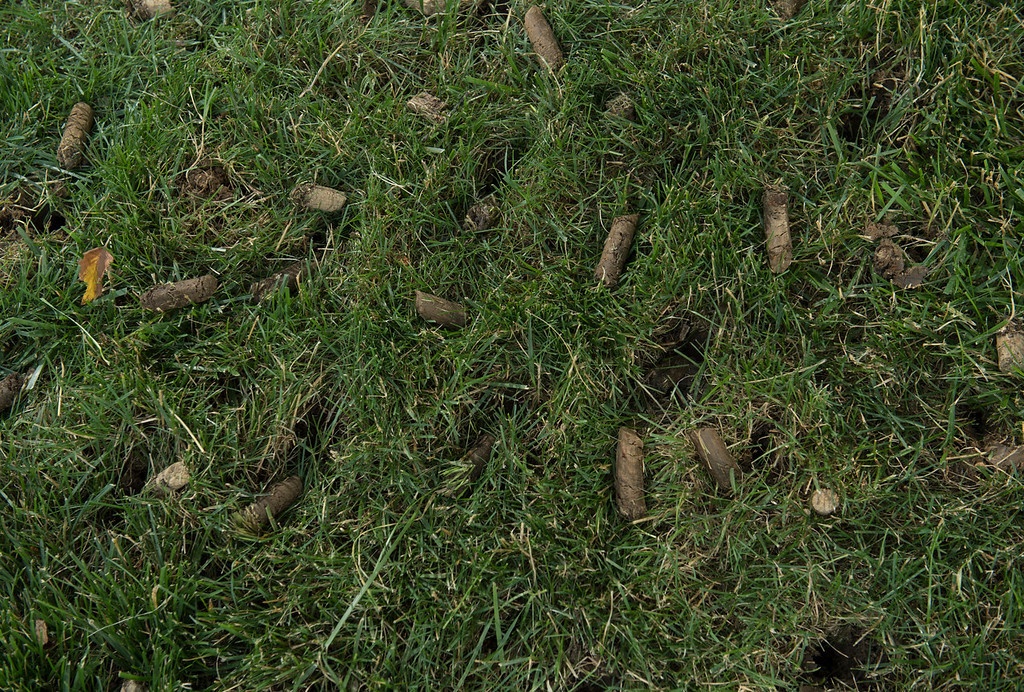
Eggshells are not just widely readily available; they're also cost effective and easy to use. These nutrients improve soil fertility while enhancing plant cell walls. Do note, nevertheless, that the nutrients from eggshells are not bio-available, which means the eggshells have to break down initially so the vitamins are soaked up by the plant roots.
Effective Natural Lawn Care Tips for Every Homeowner
A terrific pointer would be to process the eggshells in a high-powered blender to make a fine powder. By crushing the eggshells into a fine powder, the nutrients are more quickly taken in into the soil. Do not sprinkle the crushed eggshells on top of the soil unless you are discouraging slugs from invading your garden.

Latest Posts
What You Can Expect To Pay When Engaging An Amsterdam Love Mentor
Maintaining Lawn Health With Proper Maintenance Habits
What Is the Best Grass for Sunny Lawns?